
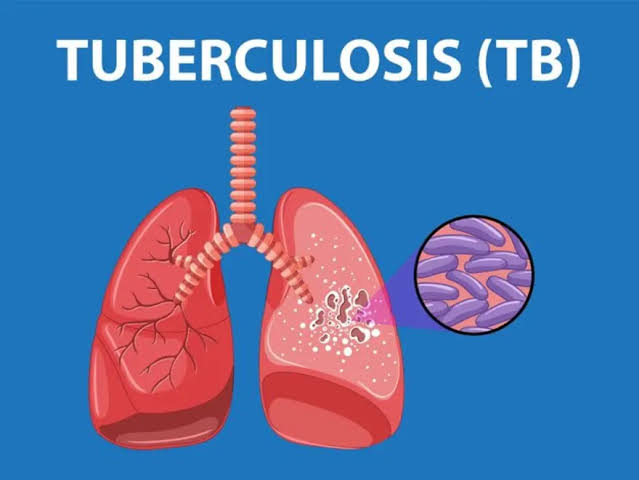
Tuberculosis (TB)
Causes, Symptoms, Diagnosis, Treatment & Prevention
Tuberculosis (TB) is a contagious bacterial infection caused by Mycobacterium tuberculosis. It primarily affects the lungs (pulmonary TB), but it can also spread to other parts of the body, such as the kidneys, spine, brain, and lymph nodes. TB spreads through the air when a person with active pulmonary TB coughs, sneezes, laughs, or speaks.
Although tuberculosis remains a major global health concern, it is both preventable and curable with early diagnosis and the complete course of prescribed treatment.
Types of Tuberculosis
1. Latent TB Infection (LTBI)
In latent TB, the bacteria remain inactive in the body. People with latent TB do not have symptoms and cannot spread the infection, but the bacteria can become active later if the immune system weakens.
2. Active TB Disease
Active TB occurs when the bacteria multiply and cause symptoms. People with active pulmonary TB can transmit the infection to others and require prompt medical treatment.
Causes of Tuberculosis
Tuberculosis is caused by the bacterium Mycobacterium tuberculosis. The infection spreads through tiny airborne droplets released when a person with active TB coughs, sneezes, or speaks.
The risk of infection increases with:
- Close contact with someone who has active TB
- Living or working in crowded environments
- Weakened immune system
- Poor nutrition
- Smoking
- Diabetes
- HIV infection
Common Symptoms of Tuberculosis
Symptoms often develop gradually and may include:
- Persistent cough lasting more than 2–3 weeks
- Chest pain
- Coughing up blood or sputum
- Fever
- Night sweats
- Unexplained weight loss
- Loss of appetite
- Fatigue and weakness
- Chills
Who Is at Higher Risk?
You may have a higher risk of developing TB if you:
- Have close contact with someone diagnosed with active TB
- Have a weakened immune system
- Have diabetes or HIV infection
- Smoke tobacco
- Are malnourished
- Live in crowded or poorly ventilated environments
- Work in healthcare settings with frequent TB exposure
How is Tuberculosis Diagnosed?
Healthcare providers may use several tests to diagnose TB, including:
- Medical history and physical examination
- Chest X-ray
- Sputum smear microscopy
- Sputum culture
- Molecular tests (such as GeneXpert/NAAT)
- Tuberculin Skin Test (TST)
- Interferon-Gamma Release Assay (IGRA) blood test
Treatment of Tuberculosis
Tuberculosis is treated with a combination of antibiotics taken over several months. Completing the entire course of medication is essential to cure the infection and prevent drug-resistant TB.
Treatment commonly includes:
- Multiple anti-TB medicines prescribed by a healthcare professional
- Regular follow-up appointments
- Monitoring for side effects
- Good nutrition and adequate rest
- Avoiding smoking and alcohol during treatment
Never stop TB medication without consulting your healthcare provider, even if symptoms improve.
How Can Tuberculosis Be Prevented?
You can reduce the risk of TB by:
- Seeking early diagnosis if symptoms develop
- Completing TB treatment exactly as prescribed
- Covering your mouth when coughing or sneezing
- Ensuring good ventilation in indoor spaces
- Wearing a mask when advised in high-risk settings
- Screening close contacts of people with active TB
- Receiving the BCG vaccine where recommended by national immunization programs
Possible Complications
If left untreated, tuberculosis may lead to serious complications, including:
- Permanent lung damage
- Respiratory failure
- Spread of infection to the brain, bones, kidneys, or other organs
- Drug-resistant tuberculosis (MDR-TB)
- Life-threatening illness
When Should You See a Doctor?
Consult a healthcare professional immediately if you experience:
- A cough lasting longer than two weeks
- Coughing up blood
- Persistent fever or night sweats
- Unexplained weight loss
- Ongoing chest pain or difficulty breathing
- Close contact with someone diagnosed with active TB
Early diagnosis and treatment improve recovery and help prevent the spread of infection.
Conclusion
Tuberculosis remains a significant public health challenge, but it is preventable, treatable, and curable with timely medical care. Recognizing the symptoms early, following the prescribed treatment plan, and adopting preventive measures can protect both individuals and communities. If you suspect TB or have prolonged respiratory symptoms, seek medical evaluation without delay.