
Osteoarthritis
Causes, Symptoms, Treatment & Prevention
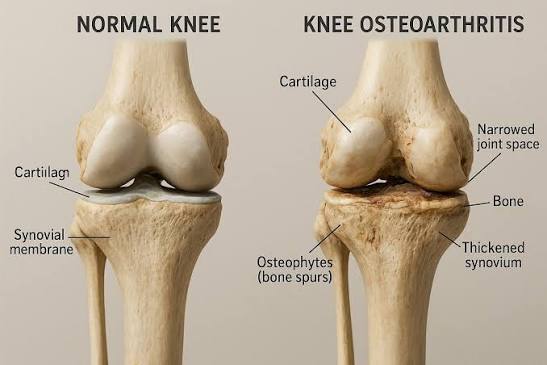
Osteoarthritis (OA) is the most common type of arthritis and a leading cause of joint pain and disability worldwide. It occurs when the protective cartilage that cushions the ends of bones gradually wears away over time. As the cartilage deteriorates, bones begin to rub against each other, causing pain, stiffness, swelling, and reduced mobility.
Although osteoarthritis is more common in older adults, it can also affect younger individuals due to joint injuries, obesity, or repetitive stress on the joints.
Commonly Affected Joints
Osteoarthritis can develop in any joint, but it most frequently affects:
- Knees
- Hips
- Hands and fingers
- Spine (neck and lower back)
- Shoulders
Causes of Osteoarthritis
Several factors contribute to the development of osteoarthritis, including:
1. Aging
As we grow older, cartilage naturally becomes less flexible and more prone to damage.
2. Joint Injury
Previous fractures, ligament injuries, or sports injuries can increase the risk of OA later in life.
3. Obesity
Excess body weight places additional stress on weight-bearing joints such as the knees and hips.
4. Genetics
A family history of osteoarthritis may increase your likelihood of developing the condition.
5. Repetitive Joint Stress
Occupations or activities involving repeated joint movements may accelerate cartilage wear.
Symptoms of Osteoarthritis
Symptoms usually develop gradually and worsen over time.
Common signs include:
- Persistent joint pain
- Joint stiffness, especially in the morning or after rest
- Swelling around the affected joint
- Reduced range of motion
- Grinding or cracking sensation during movement
- Bone spurs around the joint
- Difficulty walking, climbing stairs, or performing daily activities
Risk Factors
You may have a higher risk of developing osteoarthritis if you:
- Are over 50 years of age
- Are overweight or obese
- Have a family history of arthritis
- Have experienced previous joint injuries
- Perform physically demanding work
- Have certain metabolic or bone disorders
How is Osteoarthritis Diagnosed?
Doctors diagnose osteoarthritis through:
- Medical history
- Physical examination
- X-rays to evaluate joint damage
- MRI scans (when more detailed imaging is needed)
- Blood tests to rule out other types of arthritis
Treatment Options
While osteoarthritis cannot be completely cured, several treatments can effectively manage symptoms and improve quality of life.
Lifestyle Changes
- Maintain a healthy weight
- Stay physically active
- Avoid excessive strain on affected joints
- Use supportive footwear
Physical Therapy
Regular stretching and strengthening exercises help improve flexibility and reduce pain.
Medications
Doctors may recommend:
- Pain relievers
- Anti-inflammatory medications (NSAIDs)
- Topical pain-relief creams
- Corticosteroid injections (in selected cases)
Assistive Devices
Braces, canes, or orthotic supports may reduce pressure on painful joints.
Surgery
For severe osteoarthritis, joint replacement surgery (such as knee or hip replacement) may be recommended when conservative treatments no longer provide relief.
Can Osteoarthritis Be Prevented?
Although aging cannot be prevented, you can lower your risk by:
- Maintaining a healthy body weight
- Exercising regularly
- Strengthening muscles around your joints
- Avoiding repetitive joint injuries
- Following a balanced, nutrient-rich diet
- Correcting posture during work and daily activities
Living with Osteoarthritis
Many people with osteoarthritis continue to lead active and fulfilling lives by combining medical treatment with healthy lifestyle habits. Early diagnosis, regular exercise, proper nutrition, and adherence to your healthcare provider’s recommendations can significantly reduce pain and improve mobility.
When Should You See a Doctor?
Consult a healthcare professional if you experience:
- Joint pain lasting more than a few weeks
- Swelling that does not improve
- Difficulty walking or using your joints
- Severe pain that interferes with sleep or daily activities
- Sudden worsening of joint symptoms
Conclusion
Osteoarthritis is a common but manageable condition. While it cannot be reversed, early diagnosis and the right treatment plan can help control pain, maintain joint function, and improve overall quality of life. If you are experiencing persistent joint pain or stiffness, consult your healthcare provider for an accurate diagnosis and personalized treatment plan.