
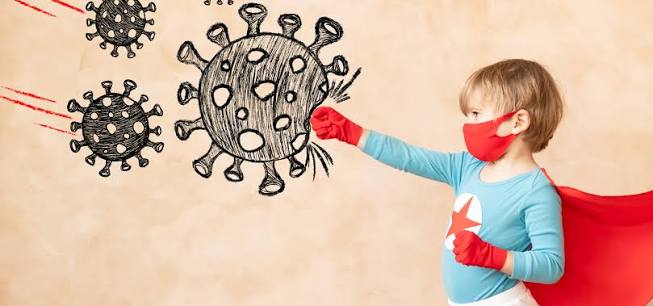
Children immune system
Building a Strong Immune System in Children: Essential Tips for Healthy Growth
Introduction
A strong immune system is one of the most important foundations of a child’s overall health. It protects the body from harmful bacteria, viruses, fungi, and other disease-causing organisms. During childhood, the immune system is still developing, making children more vulnerable to common infections such as colds, flu, ear infections, and stomach illnesses.
Although it is normal for children to become sick occasionally, healthy lifestyle habits can strengthen their immune system and help their bodies fight infections more effectively. Good nutrition, adequate sleep, regular physical activity, proper hygiene, and routine vaccinations all play a vital role in supporting a child’s natural defenses.
What is the Immune System?
The immune system is the body’s natural defense mechanism against infections and diseases. It consists of specialized cells, tissues, organs, and proteins that work together to recognize and destroy harmful microorganisms while protecting healthy body cells.
In children, the immune system continues to mature throughout the early years of life. Every exposure to germs helps the immune system learn how to recognize and respond to future infections.
Why is a Strong Immune System Important for Children?
A healthy immune system helps children:
- Fight bacterial and viral infections
- Recover more quickly from illnesses
- Support healthy growth and development
- Maintain good energy levels
- Reduce the frequency of common infections
- Promote overall physical well-being
A strong immune system does not guarantee that a child will never become sick, but it can help reduce the severity and duration of many illnesses.
Signs of a Healthy Immune System
Children with a healthy immune system generally:
- Grow and develop normally
- Recover well after common illnesses
- Have good energy levels
- Eat and sleep well
- Participate actively in daily activities
Occasional colds or mild infections are a normal part of childhood and help strengthen immune memory.
Common Factors That Weaken Immunity
Several factors may reduce a child’s ability to fight infections, including:
Poor Nutrition
A diet lacking essential vitamins, minerals, and proteins may weaken immune function.
Lack of Sleep
Sleep allows the body to repair tissues and produce immune cells that help fight infections.
Physical Inactivity
Regular movement supports healthy circulation and immune function.
Chronic Stress
Emotional stress may affect hormone levels and reduce the body’s natural defense mechanisms.
Poor Hygiene
Improper handwashing increases the spread of bacteria and viruses.
Exposure to Tobacco Smoke
Secondhand smoke can irritate the airways and increase the risk of respiratory infections.
Best Ways to Strengthen a Child’s Immune System
1. Provide a Balanced Diet
Healthy nutrition is one of the most effective ways to support immunity.
Include foods rich in:
- Fruits
- Vegetables
- Whole grains
- Lean proteins
- Dairy products
- Healthy fats
A colorful diet provides important vitamins, minerals, and antioxidants that support immune function.
2. Encourage Vitamin-Rich Foods
Certain nutrients are particularly important for immunity.
These include:
- Vitamin C
- Vitamin D
- Vitamin A
- Vitamin E
- Zinc
- Iron
- Selenium
Children should obtain these nutrients primarily through a balanced diet unless supplements are recommended by a healthcare professional.
3. Ensure Adequate Protein Intake
Protein helps the body produce antibodies and repair tissues.
Healthy protein sources include:
- Eggs
- Fish
- Chicken
- Beans
- Lentils
- Yogurt
- Milk
4. Promote Healthy Sleep
Sleep is essential for proper immune function.
Recommended sleep duration varies by age:
- Toddlers: 11–14 hours
- Preschool children: 10–13 hours
- School-age children: 9–12 hours
- Teenagers: 8–10 hours
Creating a consistent bedtime routine can improve sleep quality.
5. Encourage Regular Physical Activity
Daily physical activity supports circulation, bone health, and immune function.
Activities may include:
- Outdoor play
- Cycling
- Swimming
- Walking
- Running
- Team sports
Children should also limit screen time and spend time being physically active every day.
6. Keep Children Well Hydrated
Water supports every system in the body, including the immune system.
Encourage children to drink water regularly throughout the day, especially during hot weather and physical activity.
7. Practice Good Hygiene
Teaching healthy hygiene habits can reduce the spread of infections.
Important habits include:
- Washing hands with soap before eating
- Washing hands after using the toilet
- Covering the mouth while coughing or sneezing
- Avoiding touching the face with unwashed hands
- Keeping toys and frequently touched surfaces clean
8. Keep Vaccinations Up to Date
Vaccines help the immune system recognize and fight serious infectious diseases before they can cause severe illness.
Following the recommended childhood immunization schedule is one of the most effective ways to protect children from preventable diseases.
9. Support Gut Health
A healthy digestive system contributes to overall immunity.
Foods that support gut health include:
- Yogurt with live cultures
- Kefir
- Fruits
- Vegetables
- Whole grains
These foods help maintain a healthy balance of beneficial bacteria in the digestive tract.
10. Ensure Safe Sun Exposure
Moderate sunlight exposure helps the body produce vitamin D, which supports bone health and immune function.
Parents should balance sun exposure with appropriate sun protection to reduce the risk of skin damage.
Foods That Naturally Support Immunity
Children benefit from a variety of nutrient-rich foods, including:
- Citrus fruits
- Berries
- Apples
- Carrots
- Spinach
- Broccoli
- Sweet potatoes
- Eggs
- Fish
- Yogurt
- Nuts (age-appropriate)
- Seeds
- Whole grains
A varied diet is generally more beneficial than relying on a single “superfood.”
Healthy Lifestyle Habits
Parents can support their child’s immune health by:
- Preparing balanced meals
- Encouraging regular exercise
- Maintaining healthy sleep routines
- Reducing sugary snacks and sugary drinks
- Avoiding exposure to cigarette smoke
- Scheduling regular health checkups
- Creating a positive, low-stress home environment
When Should You Consult a Doctor?
Seek medical advice if your child experiences:
- Frequent or severe infections
- Recurrent ear or chest infections
- Poor growth or weight gain
- Persistent fever
- Unusual fatigue
- Slow wound healing
- Infections that take an unusually long time to recover
A healthcare professional can evaluate whether an underlying medical condition is affecting your child’s immune system.
Conclusion
A strong immune system is essential for helping children grow, learn, and stay healthy. While no method can completely prevent illness, healthy daily habits such as eating a nutritious diet, staying physically active, getting enough sleep, practicing good hygiene, and following the recommended vaccination schedule can significantly strengthen a child’s natural defenses. By supporting healthy lifestyle choices from an early age, parents can help build a strong foundation for lifelong health and well-being.