
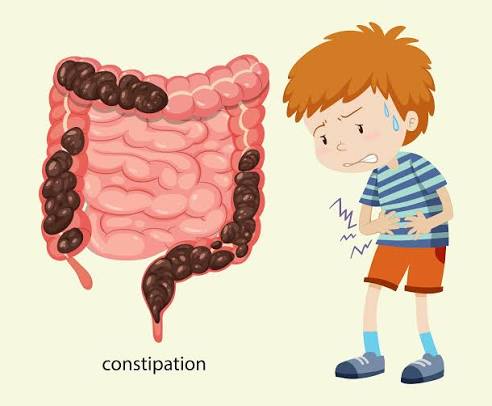
Constipation
Causes, Symptoms, Health Risks, Treatment & Prevention
What is Constipation?
Constipation is one of the most common digestive disorders that affects people of all ages. It occurs when bowel movements become infrequent, difficult to pass, or stools become hard and dry. While occasional constipation is common and usually not a cause for concern, persistent constipation can interfere with daily life and may indicate an underlying health problem.
Most healthcare professionals define constipation as having fewer than three bowel movements per week, although normal bowel habits vary from person to person.
With healthy lifestyle changes and appropriate medical care, constipation can often be prevented and effectively managed.
How Does the Digestive System Work?
After food is digested, nutrients are absorbed in the small intestine. The remaining waste moves into the large intestine (colon), where water is absorbed. If too much water is removed from the waste or if stool moves too slowly through the colon, it becomes hard, dry, and difficult to pass, leading to constipation.
Common Causes of Constipation
Constipation can develop for many different reasons.
1. Low-Fiber Diet
Fiber adds bulk to stool and helps it move smoothly through the intestines. Diets low in fruits, vegetables, whole grains, and legumes are a common cause of constipation.
2. Dehydration
Water helps keep stools soft. Not drinking enough fluids can result in hard, dry stools that are difficult to pass.
3. Lack of Physical Activity
A sedentary lifestyle slows the movement of the digestive system, increasing the risk of constipation.
4. Ignoring the Urge to Pass Stool
Frequently delaying bowel movements allows the colon to absorb more water from the stool, making it harder to pass later.
5. Certain Medications
Some medications may cause constipation as a side effect, including:
- Iron supplements
- Calcium supplements
- Certain pain medications
- Some antidepressants
- Antacids containing calcium or aluminum
6. Pregnancy
Hormonal changes during pregnancy and pressure from the growing uterus may slow bowel movements.
7. Medical Conditions
Certain health conditions can contribute to constipation, including:
- Diabetes
- Hypothyroidism
- Irritable Bowel Syndrome (IBS)
- Parkinson’s disease
- Colon disorders
- Neurological conditions
Risk Factors
The risk of constipation is higher in people who:
- Eat a low-fiber diet
- Drink insufficient water
- Are physically inactive
- Are older adults
- Are pregnant
- Frequently use certain medications
- Have chronic medical conditions affecting digestion
Symptoms of Constipation
Symptoms may vary from person to person but commonly include:
- Fewer than three bowel movements per week
- Hard, dry, or lumpy stools
- Difficulty or straining during bowel movements
- Feeling of incomplete bowel emptying
- Abdominal bloating
- Stomach discomfort or cramps
- Excessive gas
- Loss of appetite
Persistent constipation may also lead to fatigue and reduced quality of life.
Possible Complications
If constipation is not properly managed, it may lead to:
- Hemorrhoids (piles)
- Anal fissures
- Rectal bleeding due to straining
- Fecal impaction
- Rectal prolapse (rare)
- Chronic abdominal discomfort
Early treatment helps reduce the risk of these complications.
How is Constipation Diagnosed?
Healthcare providers usually diagnose constipation by reviewing your symptoms, diet, lifestyle, and medical history.
Depending on your condition, additional tests may include:
- Physical examination
- Blood tests
- Stool examination
- Colonoscopy (when indicated)
- Imaging studies
- Specialized bowel function tests
These investigations help identify any underlying medical condition contributing to constipation.
Treatment Options
Treatment depends on the severity and underlying cause of constipation.
Increase Fiber Intake
A diet rich in fiber is often the first step in managing constipation.
Good sources include:
- Whole grains
- Oats
- Apples
- Pears
- Oranges
- Berries
- Carrots
- Spinach
- Broccoli
- Lentils
- Beans
Drink Plenty of Water
Adequate hydration helps soften stools and promotes regular bowel movements.
Exercise Regularly
Regular physical activity stimulates intestinal movement and improves digestion.
Simple activities such as walking for 30 minutes each day can make a significant difference.
Develop Healthy Toilet Habits
Try to use the bathroom at the same time each day, especially after meals, and avoid delaying bowel movements.
Medications
If lifestyle changes are not enough, healthcare providers may recommend medications such as stool softeners or laxatives. These should only be used according to medical advice, as long-term misuse may worsen constipation.
Foods That Help Relieve Constipation
Adding these foods to your diet may promote healthy digestion:
- Prunes
- Kiwi
- Papaya
- Apples
- Pears
- Leafy green vegetables
- Whole-grain bread
- Brown rice
- Yogurt with probiotics
- Chia seeds
- Flaxseeds
Foods to Limit
Some foods may worsen constipation when consumed in excess, including:
- Processed foods
- Fast food
- Refined flour products
- Sugary snacks
- Excessive dairy products
- Fried foods
Maintaining a balanced diet is essential for healthy bowel function.
How Can Constipation Be Prevented?
You can reduce your risk by:
- Eating a high-fiber diet
- Drinking enough water throughout the day
- Exercising regularly
- Responding promptly to the urge to have a bowel movement
- Limiting processed foods
- Maintaining a healthy body weight
- Managing stress
When Should You See a Doctor?
Seek medical advice if you experience:
- Constipation lasting more than three weeks
- Blood in the stool
- Severe abdominal pain
- Unexplained weight loss
- Persistent vomiting
- Constipation alternating with diarrhea
- Sudden changes in bowel habits
These symptoms may require further medical evaluation.
Conclusion
Constipation is a common digestive problem that is often related to diet and lifestyle. In many cases, increasing fiber intake, staying well hydrated, exercising regularly, and developing healthy bowel habits can significantly improve symptoms. However, persistent or severe constipation should not be ignored, as it may indicate an underlying medical condition. Early diagnosis and appropriate treatment can help restore normal bowel function and improve overall digestive health.